

Within a realm that is increasingly interrelated, the commemoration of different cultures through celebrations has become a vibrant mosaic bringing people together. These joyous events, often characterized by music, dance, and culinary delights, offer a unique opportunity to explore diverse traditions and shared human experiences. Festivals serve as a strong reminder of the abundant cultural heritage which makes our global community truly dynamic and fascinating.
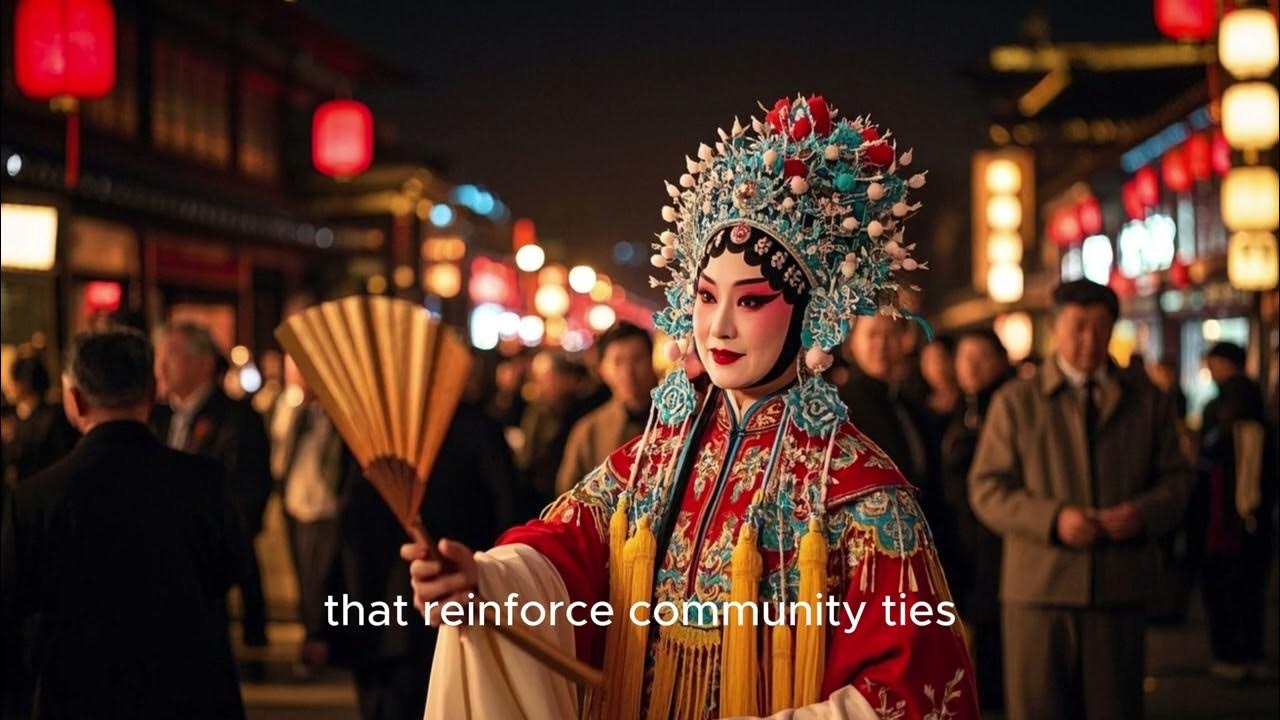
As we delve into the concept of festivation , the blending of cultural practices within festive events, we see a captivating interplay of traditions that enriches our lives. Through the fusion of elements from various cultures, festivals create a venue where individuals can value and respect each other’s backgrounds while enjoying the shared joys of festivity. This occurrence not only enhances the experience of attendees but also fosters a feeling of unity in diversity, making these events all the more significant in our modern society.
Cultural Significance of Festivals
Festivals serve as important manifestations of cultural identity and communal principles. They bring together people from diverse backgrounds, promoting a sense of community and unity through mutual celebrations. Each festival reflects the distinct practices, ideologies, and histories of the groups that celebrate them, allowing attendees to connect with their cultural roots while also allowing others to join in their practices. This integration of cultural backgrounds during festivals enriches the social fabric, emphasizing the richness of multiculturalism.
Additionally, festivals often celebrate notable cultural events, spiritual ceremonies, or periodic changes, marking important markers in a society's life. Through ceremonies, music, performance, and food traditions, these celebrations convey messages of optimism, gratitude, and respect. They provide venues for groups to reflect on their past while upholding shared values that influence their future. In doing, such celebrations become not only a honoring of the present but also a protection of collective remembrance and heritage.
Moreover, the financial effect of celebrations cannot be ignored. They attract tourists, stimulate local businesses, and offer opportunities for cultural interaction. As individuals gather to experience various shows, art exhibits, and local cuisines, they contribute to the continuation of cultural customs and the livelihoods of performers and cultural workers. Thus, such events play a significant role in supporting heritage visitation, encouraging appreciation for varied traditions, and making certain that cultural customs continue to prosper in modern culture.
Fusion of Cultures in Festivals
Celebratory events often act as a vibrant tapestry crafted from multiple cultural threads. Events around the world showcase the unique traditions, melodies, cuisine, and art of different communities, while also encouraging the blending of these aspects. This fusion not only enriches the experience for attendees but also fosters a deeper comprehension and recognition of diverse traditions. As attendees share their narratives and backgrounds, the barriers that distinguish distinct cultural groups begin to melt away, creating a shared space of celebration and connection.
One notable illustration of this cultural amalgamation is seen in festivals like the Carnival, where influences from African heritage, Indigenous and European traditions collide. The vibrant parades, upbeat melodies, and ornate attire illustrate a profound heritage of cross-cultural interaction. Participants from different traditions come together to celebrate, contributing their traditions to the event. This mingling of traditions turns the event into a vibrant extravaganza that honors the legacy of numerous while also crafting a new, cohesive manifestation of joy.
Additionally, the effect of the global community has further intensified the mingling of cultures in celebrations. As individuals move and travel, they bring their customs along, leading to emerging hybrid festivals. The integration of different cuisines, dance forms, and artistic expressions creates a exciting atmosphere that captivates guests. These cultural festivals allow attendees to experience an variety of traditions within a single event, showcasing the beauty of diversity and the innovation that arises from joint festivities.
Case Studies of Cultural Festivals
One remarkable example of a cultural festival is the Diwali festival in the Indian subcontinent, which exemplifies the fusion of multiple regional traditions. As the Festival of Lights, Diwali combines different practices from Hinduism, Sikh, Jainism, and Buddhist cultures. Families illuminate their homes with oil lamps and colorful rangoli designs while enjoying festive meals and sweets. This celebration showcases the harmony in differences, as different regions include their distinct customs into the traditions, creating a rich tapestry of cultural artistry.
Another remarkable event is the Carnival in the Brazilian nation, a melting pot of influences that reflects the nation’s colorful cultural heritage. Initially rooted in Western Catholic traditions, Brazil’s Carnival has evolved to include African, Indigenous, and immigrant narratives. With samba parades, ornate costumes, and street parties, the festival transforms cities into a stage of music and dance. The Carnival not only serves as a vital expression of Brazilian identity but also fosters cross-cultural dialogue among various communities that participate in the celebrations.
The Fringe Festival in Edinburgh in the UK is a leading example of a cultural festival that blends art forms from around the world. As the largest arts festival globally, the Fringe features theater, comedy, music, and dance performances, highlighting the talents of international artists alongside local performers. This festival encourages cultural exchange and creativity, allowing various voices to share their stories. The environment of tolerance promotes intercultural collaboration, making the Edinburgh Festival Fringe a significant venue for celebrating diverse cultures and building global connections.